
It was in the year 1998 that the Department of GI Surgery and Solid Organ Transplantation at Amrita Hospitals was inaugurated. The department was founded with a vision to provide world-class compassionate care in the field of digestive diseases as a specialty, which was then in its infancy in Kerala. Back in that time, liver transplantation was unheard of, and only a few cases had been performed across the country. Witnessing hundreds of sick patients rendered helpless due to liver disease, our team at Amrita, led by Professor S Sudhindran, embarked on a mission to establish and make accessible to everyone the option of the most definitive treatment for liver disease: Liver transplant. Thus began our extensive journey, and in 2004, we successfully conducted Kerala's first-ever liver transplantation. What began as a rare procedure gradually progressed into a significant program that enabled us to assist over a thousand people with liver disease, offering new life and hope to patients and their families. The department has not only performed over 1200 liver transplants but has also achieved the remarkable feat of establishing successful pancreas-kidney, liver-kidney, and small intestinal transplant programs. Just as India achieved the seemingly impossible by setting foot on the moon, our department took a huge leap in 2018 by successfully performing donor hepatectomy robotically—a pioneering achievement in the nation that has now become the second-largest program in the world. Today, we have evolved into a community of 1400 strong members, including patients, their families, doctors, nurses, and all supporting individuals who have contributed to the success of this program. We salute the resilience of the patients and the efforts of all the supporting teams at Amrita Hospital, who helped us achieve what initially appeared to be impossible.
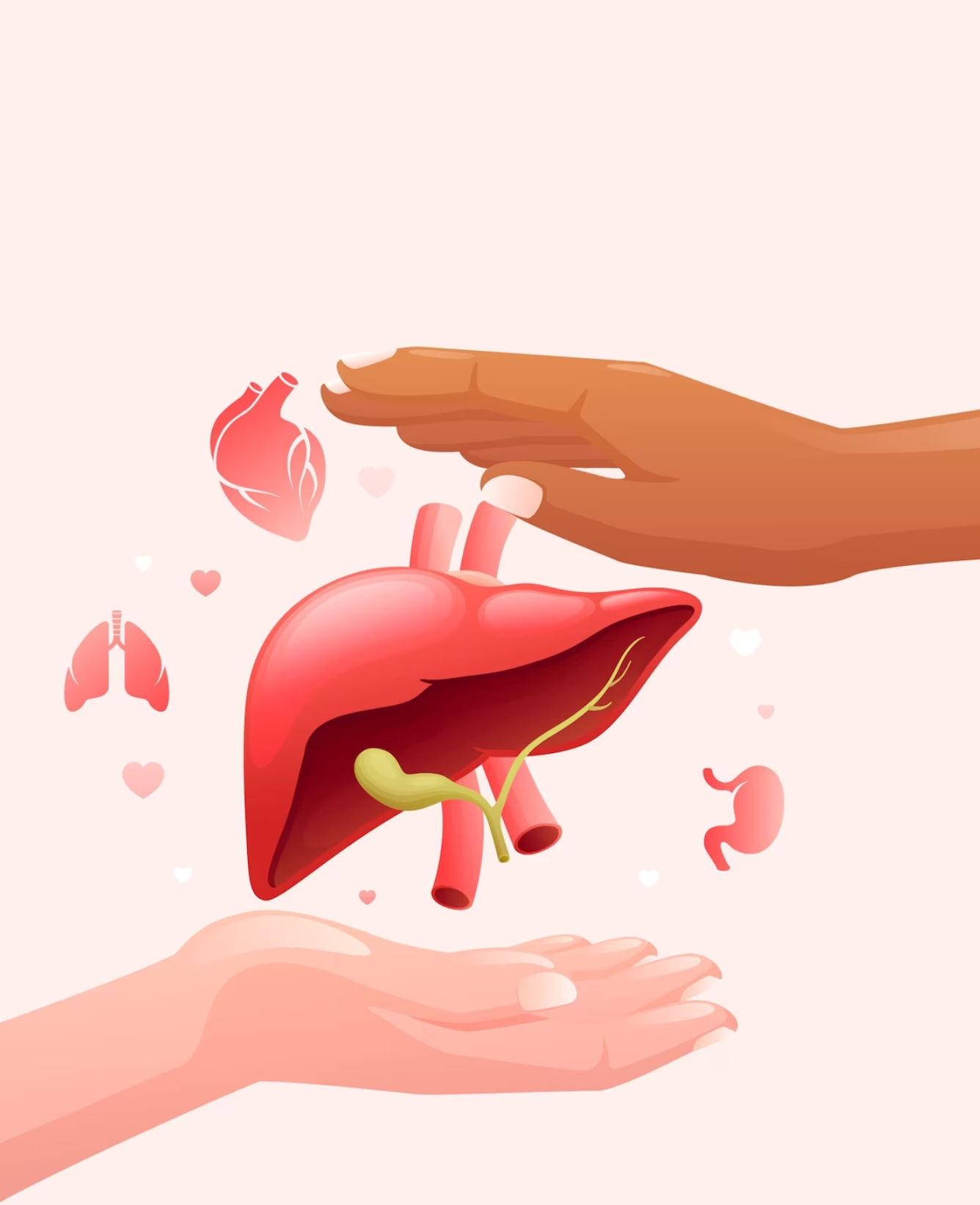
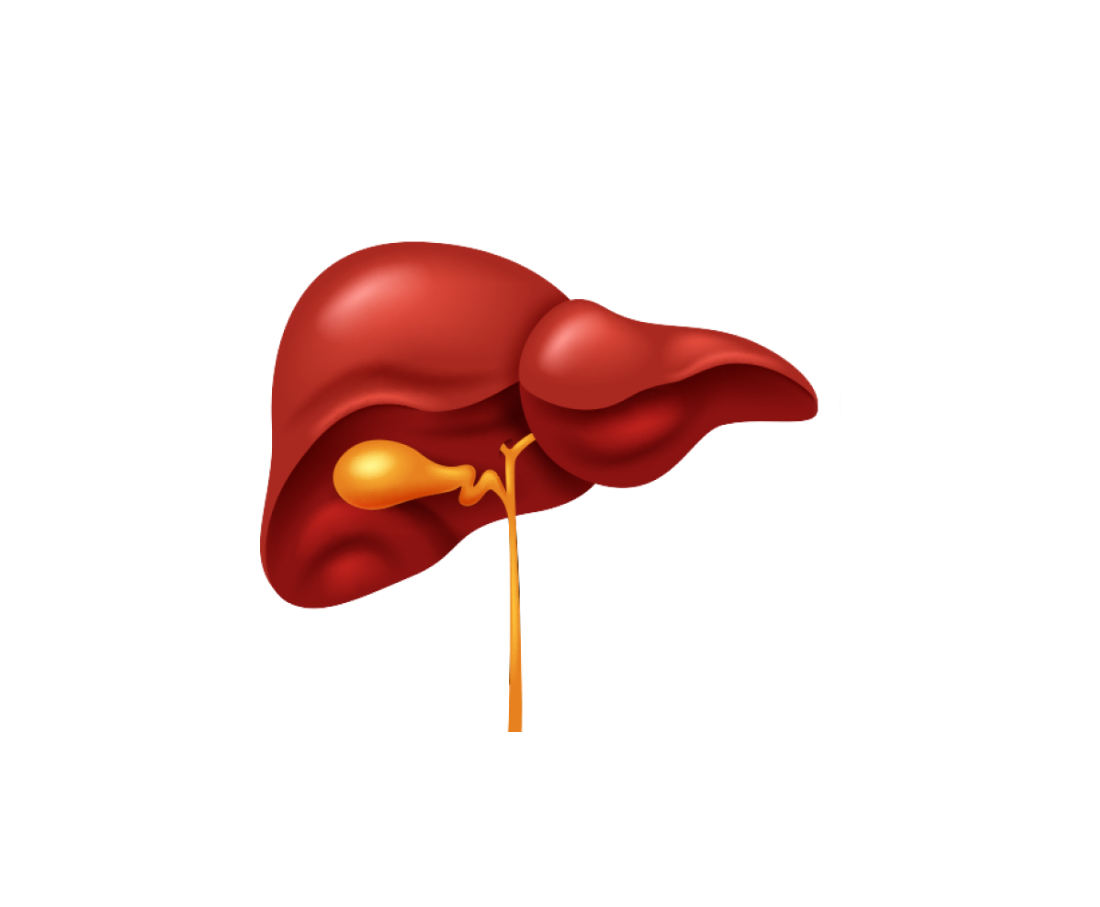
A liver transplant is a surgical procedure in which a diseased or failing liver is replaced with a healthy one from a donor. This can be due to various liver conditions, including cirrhosis, liver cancer, liver failure from long-term hepatitis C or B, or alcoholic liver disease, among others.
Whole Liver Transplant: The entire liver is taken from a deceased donor and transplanted into the recipient.
Living Donor Liver Transplant (LDLT): A portion of the liver (usually about half) is taken from a living donor. This type of transplant is possible because the liver can regenerate itself to some extent. Over time, both the donor's and the recipient's portions of the liver will grow to a functional size.
Split Liver Transplant: One deceased donor liver is split into two hemilivers and transplanted into two different patients, often one adult and one child.
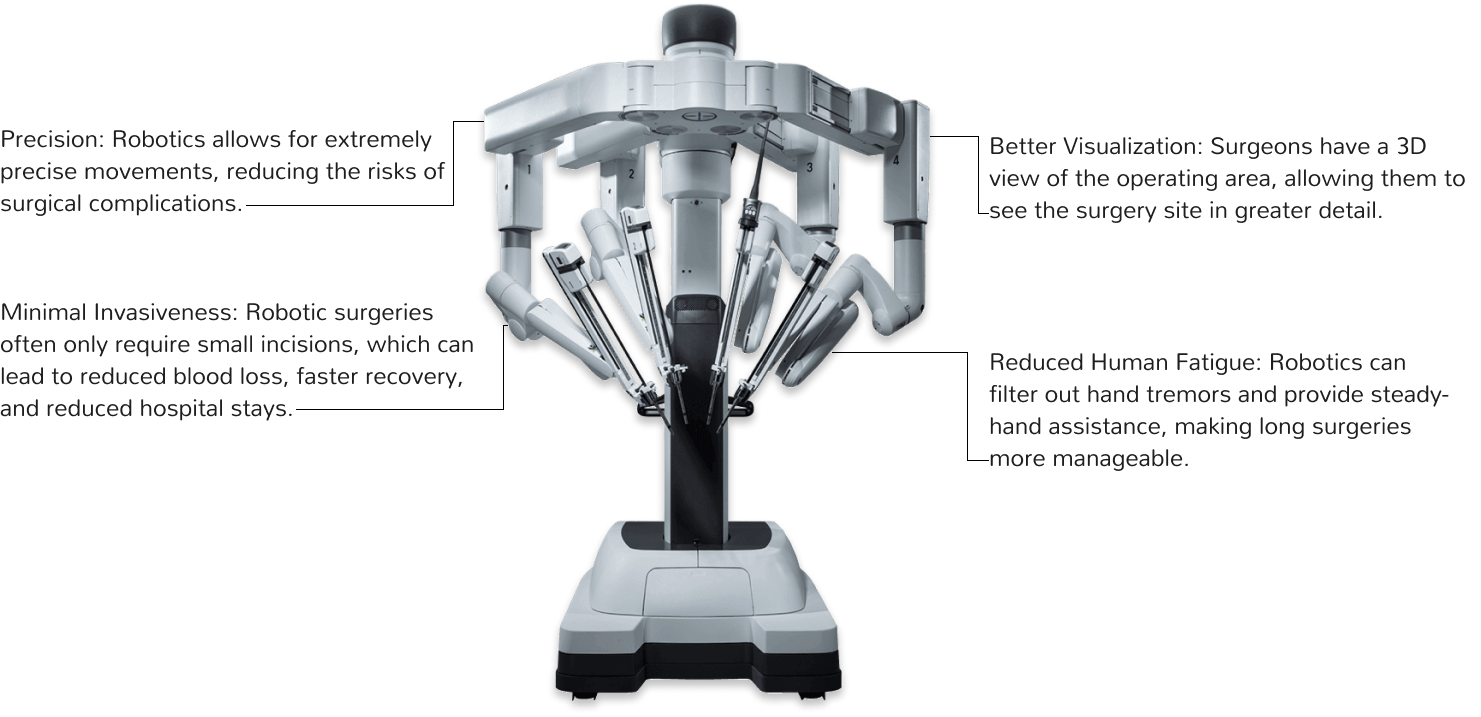
Robotic surgery, primarily using systems like the da Vinci Surgical System, has been introduced into liver transplantation. The advantages include:
After a liver transplant, patients will require careful monitoring and a variety of medications.
It's important for patients to always consult with their transplant team or primary care physician about any concerns or changes to their care regimen.